Ayurveda offers a wide range of traditional therapies, but having many options can sometimes make it difficult to know where to begin. One person may be looking for relaxation, while another may be interested in traditional Panchakarma procedures, facial care, hair wellness, or a therapy focused on a particular area of the body.
The important thing to understand is that there is no single Ayurvedic treatment that is right for everyone.
Choosing the appropriate Ayurvedic therapy starts with understanding your individual needs, wellness goals, lifestyle, and the type of treatment being considered. A qualified Ayurvedic practitioner can then help determine which approach may be appropriate.
Why Is Choosing the Right Ayurvedic Therapy Important?
Ayurvedic therapies are not necessarily designed as one-size-fits-all treatments. Traditional Ayurvedic practice places importance on individual assessment, including factors such as constitution, lifestyle, age, season, existing concerns, and overall wellness.
For example, someone primarily looking for relaxation may be interested in Abhyanga or Shirodhara, while someone considering a traditional Panchakarma program may require a more detailed assessment before beginning.
This is why choosing a treatment based only on a list of benefits found online may not always be appropriate.
Start With Your Wellness Goal
Before choosing a treatment, think about what you actually want from the experience.
Are you looking for:
- Relaxation and self-care?
- Traditional Ayurvedic cleansing procedures?
- Skin and facial care?
- Hair and scalp wellness?
- Support for a specific area such as the knees?
- A broader Ayurvedic wellness program?
- A personalized treatment plan?
Your primary goal can help narrow down the available options.
Ayurvedic Therapies for Relaxation and Self-Care
If your main goal is relaxation, traditional oil-based and calming therapies may be worth discussing with an Ayurvedic practitioner.
Abhyanga Therapy
Abhyanga is a traditional Ayurvedic oil massage that can be incorporated into a wellness and self-care routine. It involves the application of oil with traditional massage techniques and can provide a relaxing treatment experience.
Read more about Abhyanga Therapy to understand its traditional approach, procedure, and aftercare.
Shirodhara Therapy
Shirodhara involves a gentle, continuous stream of selected liquid over the forehead. It is traditionally used as a calming and relaxing Ayurvedic therapy.
People interested in relaxation or a quiet wellness experience may wish to discuss whether Shirodhara Therapy is appropriate for them.
If You Are Considering Panchakarma
Panchakarma is different from a simple massage or relaxation treatment. It refers to a traditional Ayurvedic approach involving specific procedures that are selected according to an individual’s assessment.
Traditional Panchakarma procedures include therapies such as:
- Vamana
- Virechana
- Basti
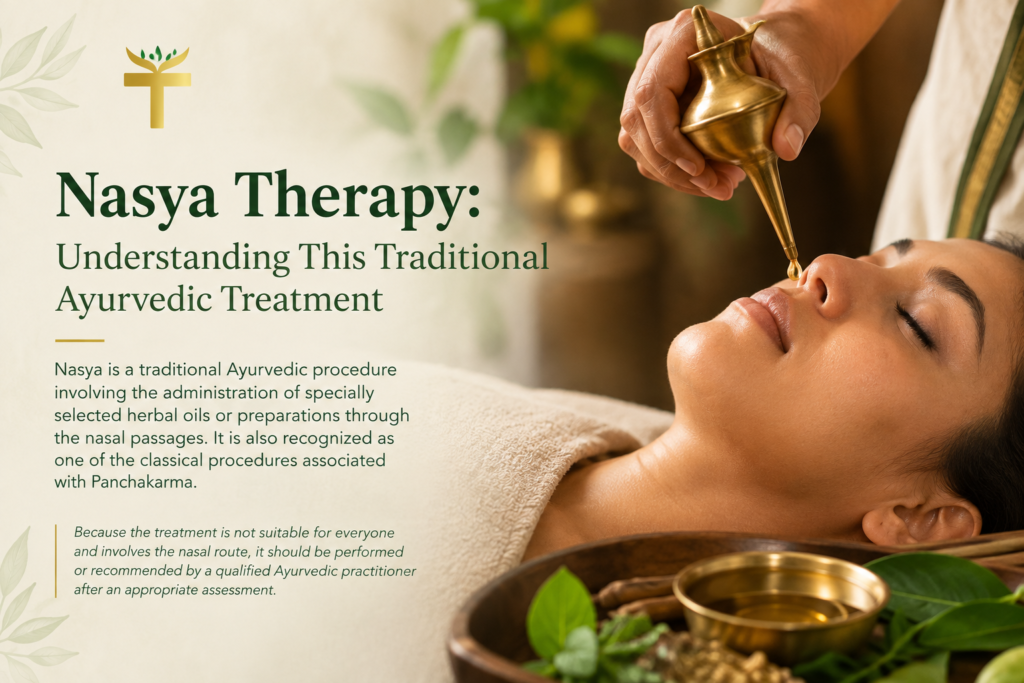
- Nasya
- Raktamokshana
Not every person needs every procedure. A qualified practitioner should assess the individual before recommending a Panchakarma program.
If you are considering this approach, start by learning about Panchakarma Therapy and then discuss your suitability with an Ayurvedic practitioner.
Individual therapies such as Vaman Therapy, Virechana Therapy, Basti Therapy, and Nasya Therapy should also be understood within their traditional context rather than selected independently based only on online information.
If Your Focus Is Joint or Localized Care
Some Ayurvedic therapies are traditionally focused on particular areas of the body.
For example, Janu Basti focuses on the knee area and involves the controlled application of warm oil or another suitable preparation within a dough ring placed around the knee.
Similarly, Pottali Therapy uses herbal boluses as part of a traditional Ayurvedic treatment approach.
If you have persistent pain, swelling, injury, or a diagnosed medical condition, an appropriate healthcare professional should evaluate the problem rather than relying on an Ayurvedic therapy alone.
For Eye Wellness
Tarpana Therapy is a traditional Ayurvedic eye-care procedure involving the use of a specially prepared substance around the eyes under controlled conditions.
If you are considering Tarpana because of an eye concern, professional assessment is particularly important. Eye symptoms can sometimes require medical evaluation, and traditional wellness therapies should not replace appropriate eye care.
For Hair and Scalp Wellness
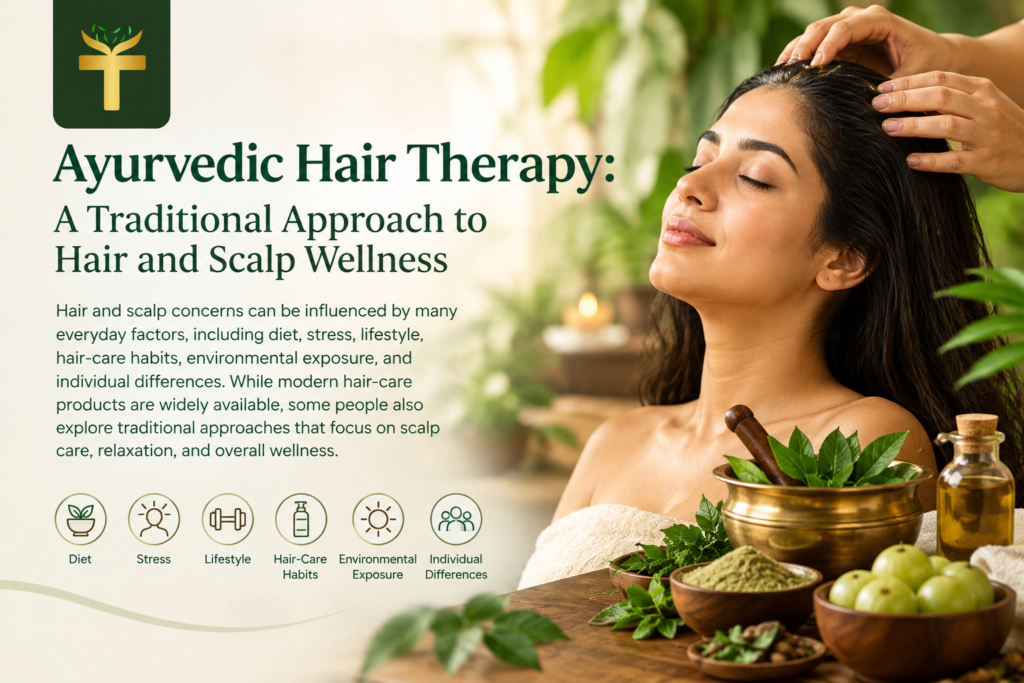
If your main concern is hair or scalp care, you may want to explore Ayurvedic Hair Therapy rather than choosing a general body treatment.
Traditional Ayurvedic hair-care approaches may incorporate oils, herbal preparations, scalp massage, and personalized recommendations.
Persistent hair loss, scalp inflammation, sudden changes, or other concerning symptoms should be evaluated by an appropriate healthcare professional.
For Skin and Facial Wellness
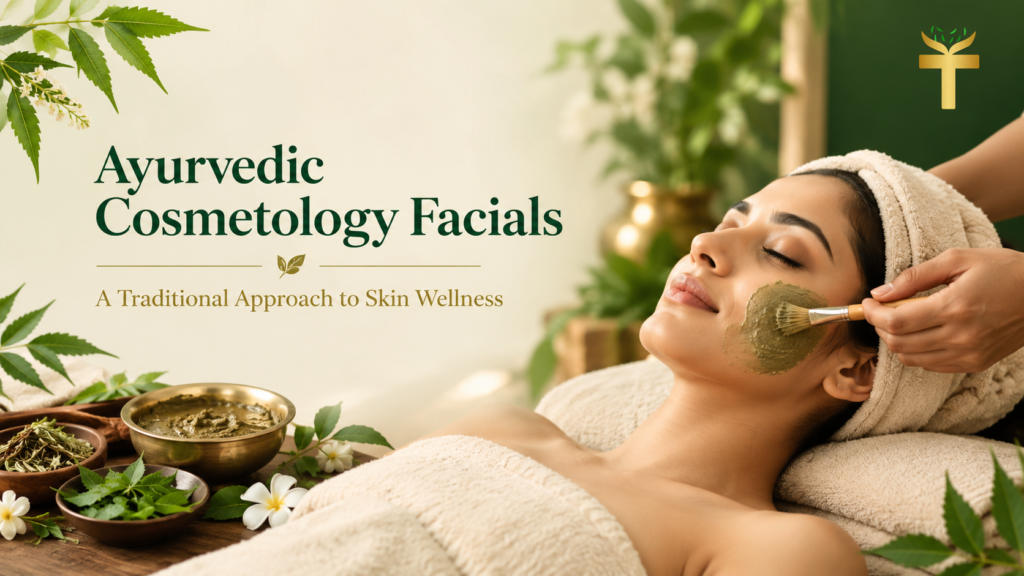
Ayurveda also offers traditional approaches to facial and skin care.
Ayurvedic Cosmetology Facials
These treatments combine traditional Ayurvedic principles with personalized facial-care techniques. They may include herbal preparations, oils, massage, cleansing, and other skincare practices.
Navara Facial
Navara Facial incorporates Navara Rice-based preparations into a traditional facial wellness approach. It may be considered by people looking for a nourishing and personalized facial experience.
If your primary goal is facial or skin wellness, discussing your skin type and concerns with a practitioner can help determine which approach is appropriate.
How to Choose an Ayurvedic Therapy Step by Step
If you are unsure where to start, follow a simple process.
1. Identify Your Main Goal
Decide whether your priority is relaxation, skincare, hair care, localized care, or a broader wellness program.
2. Learn About the Treatment
Understand what the therapy involves, how it is traditionally performed, and what type of preparation or aftercare may be required.
3. Consider Your Individual Needs
Your lifestyle, skin type, existing concerns, age, and overall wellness may influence whether a particular therapy is appropriate.
4. Speak With a Qualified Practitioner
A consultation is one of the most useful steps before starting a treatment. The practitioner can assess your requirements and recommend an appropriate approach.
5. Understand the Treatment Plan
Ask about the expected duration, preparation, aftercare, frequency, ingredients used, and whether the treatment can be combined with other therapies.
Should You Combine Different Ayurvedic Therapies?
Sometimes different therapies may be included in the same personalized wellness program. For example, Abhyanga may be used alongside other traditional treatments depending on the practitioner’s recommendations.
However, combining treatments simply because they appear beneficial online is not necessarily appropriate.
The sequence, frequency, and combination should be determined according to the individual’s needs and the practitioner’s assessment.
When Should You Seek Medical Advice?

Ayurvedic therapies can form part of a wellness routine, but they should not replace appropriate medical diagnosis or treatment.
Speak with a qualified healthcare professional if you have:
- Severe or persistent pain
- Sudden or unexplained symptoms
- Significant skin irritation
- Persistent or severe hair loss
- Eye pain or changes in vision
- An acute injury
- A diagnosed medical condition requiring treatment
You should also tell your Ayurvedic practitioner about relevant medications, allergies, health conditions, or ongoing treatments before beginning a therapy.
Frequently Asked Questions
How do I know which Ayurvedic therapy is right for me?
Start by identifying your main wellness goal and then discuss your requirements with a qualified Ayurvedic practitioner. Individual assessment is preferable to choosing a treatment solely from an online list of benefits.
Can I have more than one Ayurvedic therapy?
Depending on your individual needs, multiple therapies may sometimes be included in a personalized wellness plan. The practitioner should determine which treatments are appropriate and how they should be scheduled.
Is Panchakarma suitable for everyone?
No. Panchakarma involves specific traditional procedures and should be planned following an appropriate Ayurvedic assessment.
Which Ayurvedic therapy is good for relaxation?
Abhyanga and Shirodhara are commonly used as traditional relaxation and wellness therapies. However, suitability and treatment selection should be discussed with a practitioner.
Can Ayurvedic therapies replace medical treatment?
Ayurvedic wellness therapies should not be considered a replacement for necessary medical diagnosis or treatment. Persistent or serious symptoms should be assessed by an appropriate healthcare professional.
How often should I have an Ayurvedic therapy?
There is no universal schedule. Frequency depends on the therapy, your individual needs, and the treatment plan recommended by your practitioner.
Find the Right Ayurvedic Approach for You
Choosing an Ayurvedic therapy is less about finding the treatment with the longest list of claimed benefits and more about understanding your own needs and selecting an approach that is appropriate for you.
From Abhyanga and Shirodhara to Panchakarma procedures, localized therapies, hair care, and Ayurvedic facial treatments, different therapies serve different traditional purposes.
At Taamra Yug Ayurveda, personalized assessment can help you understand which traditional Ayurvedic approach may be suitable for your wellness goals. Instead of selecting a treatment based only on online information, a consultation can provide a more individualized starting point.
If you are unsure where to begin, speak with a qualified Ayurvedic practitioner and discuss your goals, concerns, lifestyle, and expectations before choosing your treatment.